Top Private Home Care Oshawa Services for Post-Surgery Recovery
Compassionate Home Care Services: Serving Loved Ones in Their Own Space
Compassionate home care services offer critical support for individuals wanting to stay in their comfortable environments. These services address diverse needs, ranging from daily assistance to specialized medical care. By prioritizing emotional well-being and maintaining dignity, caregivers foster meaningful relationships with family. Yet, many remain unaware of the complete range of benefits that home care can deliver. Comprehending these aspects is vital for determining the best choices about care options. What lies ahead in this exploration?
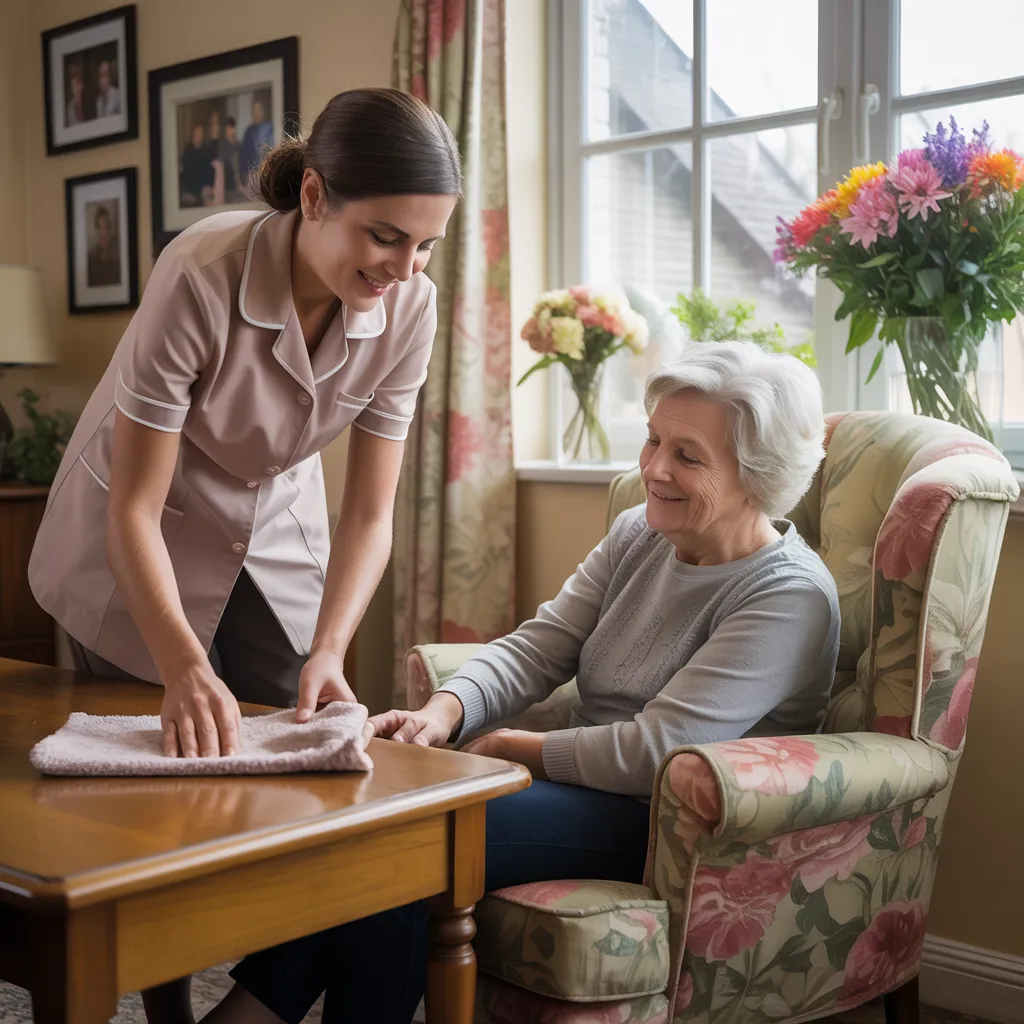
Key Points You Must to Grasp About Home Care Programs
Home care assistance serve an essential role in supporting patients who need support due to age, illness, or disability. These offerings include a range of personalized care plans, encompassing medical and non-medical support customized to individual requirements. Care includes help with daily tasks such as bathing, dressing, and meal preparation, along with skilled nursing services like medication management and physical therapy.
Families often seek home care to allow their loved ones to remain in comfortable environments while receiving necessary support. It can provide significant relief for family caregivers, who may have difficulty to juggle work and personal responsibilities. Understanding the various types of home care services offered is essential for choosing wisely. Evaluating the specific needs of the individual and researching local service providers can help families choose the right care plan, guaranteeing that their loved ones get compassionate and effective support at home.
Primary Perks of Home Care for Older Adults
Home care alternatives deliver considerable benefits for seniors, stressing their self-reliance and dignity. Individualized care plans assure that particular needs are fulfilled, promoting a superior level of life. Moreover, getting care in a known location can enhance mental health and contentment.
Advanced Self-Governance And Personal Pride
Many older adults experience a need for autonomy as they grow older, making enhanced independence a essential aspect of in-home care. By receiving care in their own home, seniors can maintain control over their everyday habits and personal choices. This method fosters a sense of dignity, allowing them to participate in activities that enhance well-being and self-esteem. Home care services enable seniors to participate in choices about their care while providing assistance with everyday activities, ensuring they can exist as self-sufficiently as they can. Additionally, the presence of a caregiver can reduce feelings of isolation, enabling seniors to maintain relationships and enjoy hobbies. Ultimately, home care services improve both autonomy and respect, contributing positively to seniors' overall quality of life.
Tailored Treatment Plans
Personalized care blueprints play a vital role in maximizing the efficiency of home care services for seniors, as they cater to individual needs and preferences. These personalized plans consider each senior's unique medical history, lifestyle choices, and personal goals, ensuring that care is both relevant and appropriate. By focusing on specific conditions, caregivers can provide targeted support, uplifting the quality of life for seniors. Additionally, personalized care plans facilitate better communication between caregivers and families, fostering a shared approach to care. This alignment not only builds trust but also empowers seniors to take an active role in their own care journey. Fundamentally, personalized care plans are essential in delivering compassionate, effective home care tailored to each individual’s circumstances.
Acquainted Atmosphere Merits
While acclimating to new surroundings can be challenging for seniors, getting support in a familiar environment offers many advantages. Staying in their own homes allows seniors to maintain a sense of autonomy and control over their daily schedules. Comfortable settings can decrease anxiety and confusion, fostering a sense of safety and comfort. Furthermore, home care enables seniors to stay close to beloved memories and personal belongings, which can improve emotional well-being. Social connections are also strengthened, as they can easily have visitors from family and friends. Moreover, caregivers can tailor support to fit their unique environment, guaranteeing that assistance aligns with the senior's specific requirements and preferences. In summary, home care promotes a holistic approach to well-being in a comforting space.

Home Care Service Classes
Home care programs include a variety of types designed to address varied individual needs. These services can broadly be categorized into non-medical and medical care. Non-medical home care typically provides assistance with daily living activities, such as personal hygiene, meal preparation, and companionship. Caregivers may also help with light housekeeping and errands, promoting a comfortable and supportive environment.
By contrast, medical home care constitutes skilled services provided by credentialed experts. This may feature medical nursing, movement therapy, and medication management, modified for people managing defined health situations. Additionally, dedicated care programs encompassing palliative care benefit those with chronic illnesses, placing emphasis on comfort and quality of life.
Picking the Best Home Care Company
How can one guarantee they choose the most suitable home care provider? The approach begins with establishing specific needs, as requirements can vary substantially among individuals. Engaging in detailed study is essential; prospective clients should explore various agencies and their services. Internet testimonials and endorsements can provide insights into the caliber of care rendered.
Additionally, interviews with potential caregivers are vital. These interactions permit families to determine fit, examine communication styles, and determine methods of care. It is also critical to question regarding the expertise and credentials of care providers, ensuring they have the required skills and qualifications.
Moreover, recognizing the economic considerations, covering payment alternatives and insurance plans, is vital to circumvent unexpected charges. Finally, trust and reassurance are critical; families should remain confident that their loved ones will receive compassionate, trustworthy care in their own homes.
Widespread Misunderstandings About Home Care Support
Many persons hold false notions about home care services, particularly concerning their expense and scope. It is often thought that home care is extremely expensive and gives narrow services. Clearing up these false notions is vital for an clearer comprehension of what home care can deliver.
Home Care Expenses Are Substantial
Dismantling the myth that home care support are unreasonably costly uncovers a more sophisticated reality. While some may perceive the costs as steep, it's essential to consider the worth being provided. Home care can regularly be view now more economical than other options like nursing homes or assisted living facilities, especially when taking account of the costs of relocation and additional services. In addition, many families find that home care maintains their loved ones' independence, potentially delaying the need for more intensive care. Coverage plans, government initiatives, and aid options can further lower expenses. Understanding the comprehensive benefits of home care can shift perspectives, establishing it as a practical option for those seeking quality support in a familiar setting.
Limited Offerings Presented
cooking; however
Parents Engaging in Home Care
Engaging in in-home care requires families to take an active role in their loved one's health. This participation can appear through regular communication and collaboration with caregivers to guarantee that care plans match the individual’s needs. Families should participate in daily routines, assisting with meals, medication management, and personal care tasks when possible.
Additionally, households can create a supportive environment by encouraging social engagement and taking part in community events as a group. Establishing a regular timetable for visits can help to monitor the family member's advancement and modify care strategies as necessary.
Furthermore, families are urged to learn about specific health conditions, which can enhance their capacity to provide informed support. By remaining engaged, families not only support their loved one's physical health but also advance emotional well-being, establishing a nurturing atmosphere that encourages independence and respect in the at-home care setting.
Success Stories in Home Care
While the trials of home care can be noteworthy, many households have located remarkable success cases that highlight its potential benefits. One such story involves the Johnson family, who successfully arranged in-home care for their mature mother, allowing her to persist in her valued environment. The diligent caregiver provided not only individualized support but also companionship, which greatly improved her emotional state.
Another motivating example is the Garcia family, who encountered the challenging responsibility of managing their son's intricate medical needs at home. With the assistance of skilled home care professionals, they established a supportive environment that promoted self-reliance and growth. Their son flourished, reaching milestones previously thought unattainable.
These success instances prove that, with the needed assistance, home care can enhance the way of living for both patients and their families, crafting valued moments while maintaining honor and solace in recognizable places.
Regularly Raised Questions
How Do I Cover the Cost for Home Care Options?
Individuals can pay for home care options through own funds, long-term care insurance, Medicaid, or Medicare, based on eligibility. Exploring various funding options guarantees that families find appropriate financial solutions for necessary care assistance.
Do Home Care Services Include Pets?
Services for home care can frequently accommodate pets, based on the provider's policies. It's important for families to address unique requirements and arrangements with the company to maintain a comfortable environment for both the individual and their pets.
What Requirements Do Caregiving Professionals Generally Display?
Caregivers commonly secure licenses in medical profession or client support, education in emergency first aid and CPR, and often have experience in senior citizen care. Many also submit to background investigations and receive specialized training to accommodate personalized patient requirements.
What Methods Assist in Managing Caregiver Staff Changes?
To minimize caregiver turnover, one should concentrate on improving interactions, providing market-rate wages, delivering ongoing training, and fostering a supportive work environment. These strategies can strengthen retention and encourage caregivers to stay committed long-term.
Can Younger Individuals Obtain Home Care Services?
Yes, at-home support is offered for younger adults. Many agencies present customized services to cater to the unique needs of this category, rendering support for diverse medical situations, including handicaps, chronic illnesses, or recovery from surgery.